
Biography
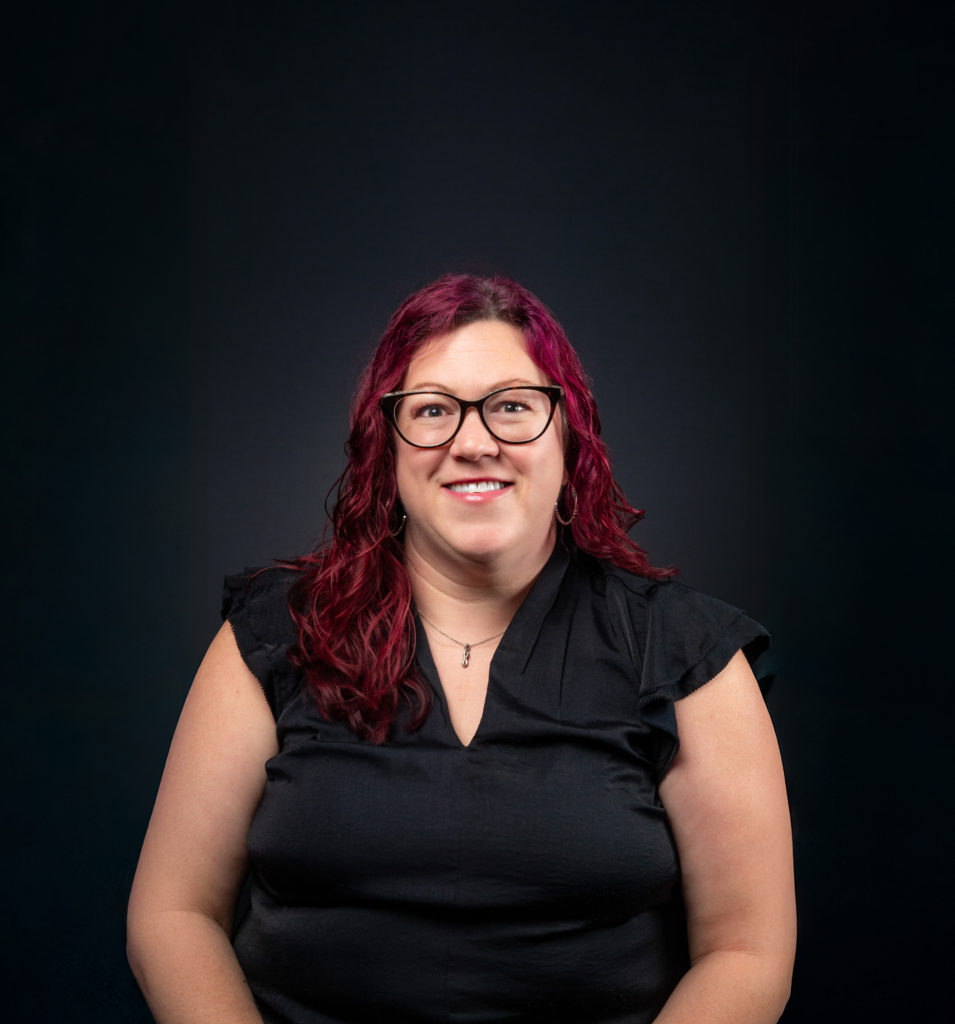
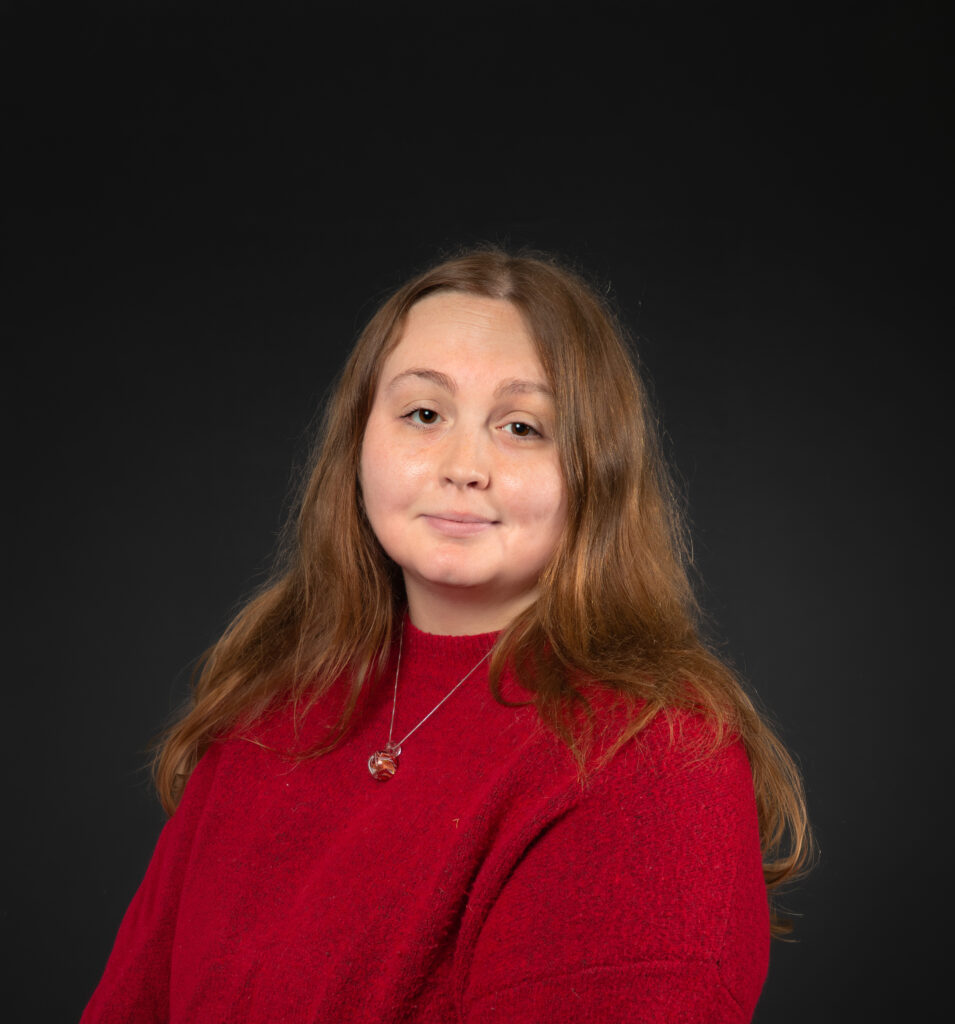
I’m Dr. Megan Velo-Zorzi, a clinical psychologist and the owner of Red Bird Mental Health Services. I’ve been in the mental health field for over 20 years and founded Red Bird Mental Health in 2018 with a simple hope: to create a welcoming, trustworthy space for healing and recovery in the Wyoming Valley.
In 2014, my family and I experienced the profound loss of our daughter, Natalie. Since then, cardinals (“red birds,” as my son, who was two at the time, called them ) have become a symbol of her presence in our lives. Red Bird Mental Health was created in her honor, and I know she is part of the healing that happens here every day.
Natalie’s passing also began my own journey of recovery: mentally, physically, and spiritually. As I navigated the trauma and grief of her loss, I became increasingly drawn to deepening my approach to trauma-informed care. Alongside traditional talk therapy, I personally embraced movement, exercise, meditation, acupuncture, Reiki, and other integrative practices. These experiences shaped my vision for Red Bird: a place where people have access to a wide range of healing modalities—and where compassion, curiosity, and collaboration guide every interaction.
At Red Bird, we honor the whole person: their nervous system, their story, and their inherent resilience. Over the years, my staff and I have expanded our expertise in evidence-based trauma treatments, including EMDR, TF-CBT, somatic and body-based therapies, and mindfulness-based approaches. My clinical work and leadership are grounded in helping people feel safe, seen, and empowered in their healing.
My goal is to continue growing Red Bird into a truly integrated, trauma-informed center, one where every person can find the support, tools, and community they need to heal in the way that feels right for them.
What is your treatment philosophy?
So many factors can contribute to real and lasting change. I love the quote: “If nothing changes, nothing changes.” Basically, I believe that if someone is making that first call for therapy, they are recognizing that their life can be better in some way. I believe our decision to change, and the willingness and flexibility to try new things leads to lasting recovery.
As a therapist and supervisor, my treatment philosophy is all about empowering my clients. I work very hard to work at whatever pace the client needs. Some clients are ready to make big changes right away, and others need some more time to prepare, create a plan, and then act. My job is to help provide the tools necessary, your job is to put them into practice.
What therapy is like:
Talk therapy is not just sitting in a room and chatting with someone for an hour. It uses highly specialized and well-researched interventions. Our therapists have trained in a number of different types of therapies for the treatment of anxiety, depression, trauma, and sexuality. We use Mindfulness, Cognitive Behavioral Therapy, and Art Therapy. Each one of the therapists has their own interests and areas of expertise.
Personally, I am certified in Trauma-Focused Cognitive Behavioral Therapy, or TF-CBT for short. This is the only evidence-based therapy for children who have experienced trauma. I am working towards certification in Somatic Experiencing. This is a type of trauma therapy that integrates mind and body using movement, images, sensation, and emotions. I have completed a certificate course in Cognitive Behavioral Therapy for Insomnia, and yes, this does work and is very effective! I am a sex therapist and specialize in LGBTIQ+ issues, sexual dysfunction, and sexual education. I am also passionate about adoption and foster care, receiving on-the-job training as a foster and adoptive mother.
I care deeply about mental health and know that it is important as physical health, and the two are often profoundly connected and intertwined. I fully believe that good mental health care is a human right. We should all be able to access these services, not only because they can heal us, and allow us to live more meaningful and fulfilling lives, but because recovery becomes a chain reaction; as one person heals, so too does their loved ones, friends, and family, and community.